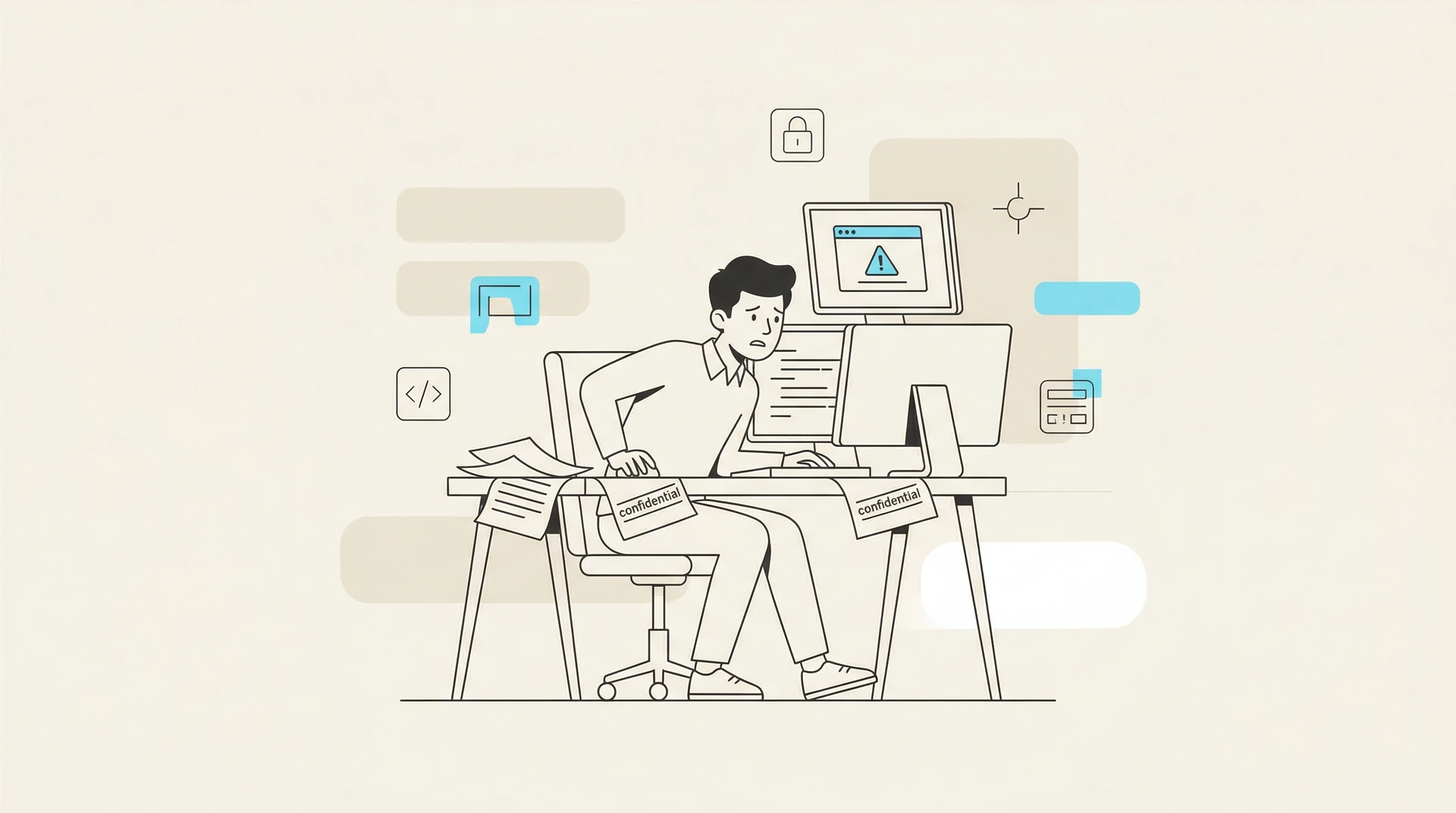
Recently, Anthropic—an industry leader in AI development—accidentally exposed the full source code for Claude Code. This was due to a 60MB .map file uploaded to the public npm registry. Besides revealing code, it laid bare some unreleased features: 'KAIROS Mode', 'The Buddy System', and 'Undercover Mode'. Such exposure underscores a critical issue many in tech are grappling with: the race to innovate often overlooks essential security protocols.
At hmn.plus, we’ve always seen the allure of fast-paced development. Innovations demand speed; markets are competitive. But this incident at Anthropic is a clear example that speed often compromises security. From first-hand experience, we know that shortcuts in the development phase can lead to long-term complications. This is why we invested in reliable supply chain security early. It's not the glamorous part of tech, but it's critical.
Why do so many get it wrong? Simply put, the pressure to innovate often trumps the necessary diligence in maintaining robust security practices. Even the best platforms are only as secure as their least protected element. When development outpaces these basic security checks, vulnerabilities abound.
The case with Anthropic provides stark lessons:
The reality is that digital security isn't foolproof. But the post-leak phase is equally important. Conduct comprehensive audits post-incident, reassess potential exposures, and most importantly, learn. We’ve experienced that when systems fail, it's a chance to fortify strategies and hone processes.
As AI continues to advance, so too will the intensity of security threats. The Claude Code leak is a cautionary tale. Our systems must evolve in tandem with our aspirations. Ignoring supply chain security isn't just risky—it's fatal.
Ultimately, the onus lies with those driving innovation. The balance of achieving rapid development while ensuring tight security is tricky but not impossible. As seen with Anthropic's oversight, the lesson for us all is clear: innovate, but never at the expense of integrity.