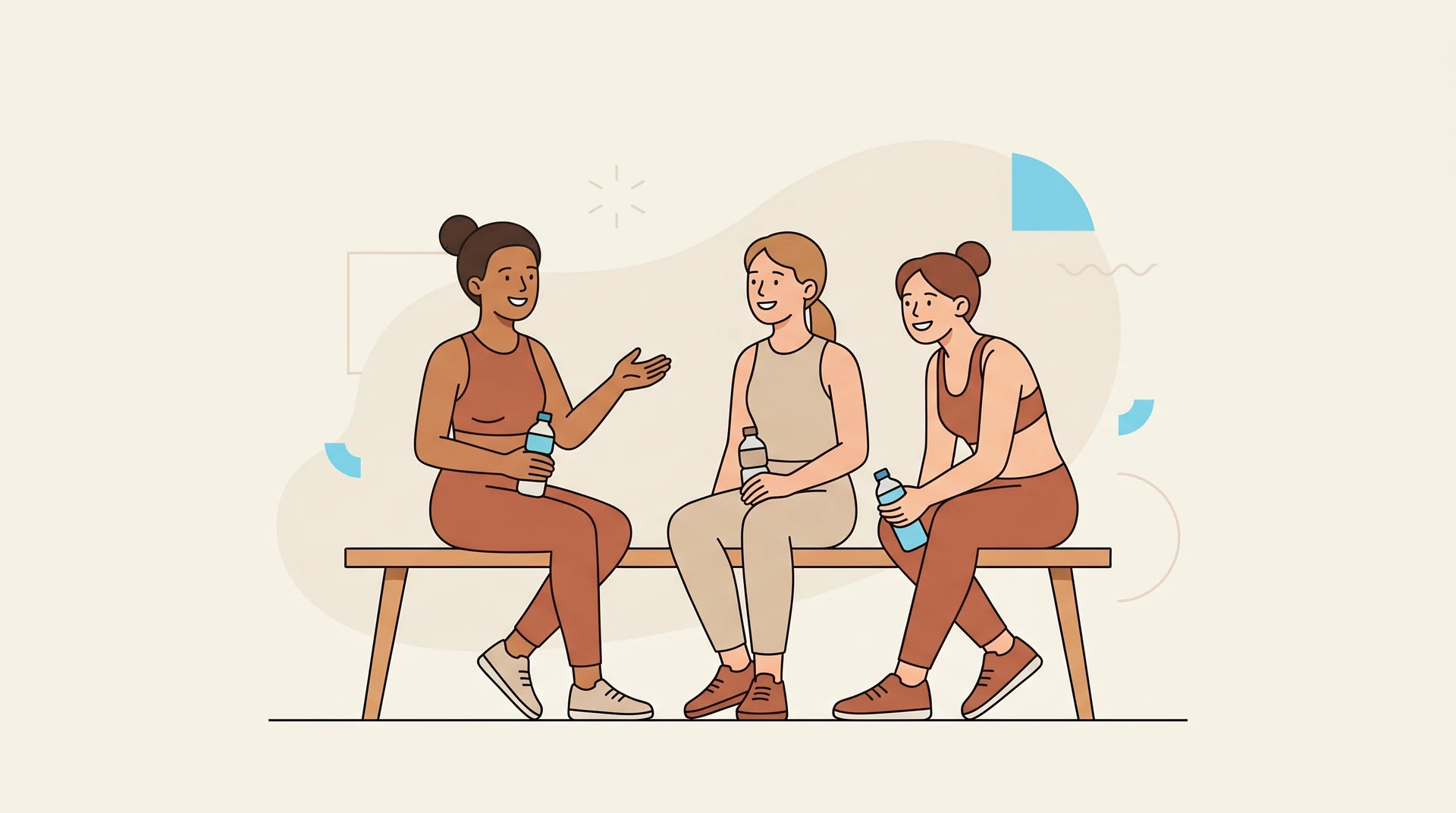
I attended a fitness summit recently, expecting to come back with some refreshed ideas on wellness routines. What I didn't anticipate was how it would fundamentally reshape my thinking around personal development, relationships, and the role of our product.
Often, in the hustle of running a business, it's easy to lose sight of the ultimate purpose behind our work. At the summit, surrounded by discussions on health and human interaction, it clicked for me: the goal of creating better systems and smarter tools isn't just about propelling efficiency forward. It's about reclaiming time—not for productivity's sake, but for human connection.
Listening to different speakers at the summit, who emphasized everything from nutrition to mental health, underscored the value of relationships and personal growth. Each session offered a reminder that while efficiency is important, it should not be the end goal. Instead, once achieved, it's a means to enrich personal lives.
The conference was brimming with individuals striving to improve their lives and those of others. It was energizing. But what struck me most was the underlying theme: people crave more ways to connect deeply and develop themselves—beyond spreadsheets and task lists. This is the lens through which I started to view the role of our product.
At hmn.plus, we built our product with a focus on enabling better workflows and optimized processes. After attending the summit, I see even clearer that our ultimate contribution is to assist individuals in freeing up time to engage in activities that truly matter. Whether building relationships or diving into personal growth, our tool aims to give users the mental space and clarity they need.
We understand that most automation efforts fall short—they promise time savings but often add complexity. Our mission is to cut through that noise. By simplifying daily routines, our intention is to help users spend less time on menial tasks and more on nurturing their well-being and relationships.
The core takeaway from my summit experience is that we must consider the broader impacts of technology. Systems should indeed be seamless and effective, but there's a need to remain grounded in their potential for enhancing human experience. The wellness-oriented context of the summit brought home the idea that developing our product should be as much about designing for real human needs as it is about robust performance.
This shift in perspective has influenced not just how we will continue to iterate on our product, but also how we will guide our users in implementing it. It’s essential to recognize that personal development and meaningful relationships contribute to a fuller life—something our solutions should support.
In the weeks following the summit, we've begun realigning some of our development priorities to reflect this newfound understanding. We'll further streamline tools to free more time for users to invest in human connections. We'll commit to a development philosophy where promoting wellness and facilitating opportunities for relationship building are at the forefront.
Ultimately, our goal is to build a product that not only optimizes processes but also helps craft a more connected and fulfilling life. Attending the fitness summit opened my eyes to the broader purpose our tools must serve—focusing on living with intention and fostering genuine human bonds.